

 Florida
 +1 352-414-2810
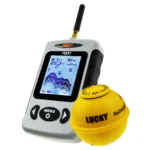
The Ultimate Guide to Wireless Fish Finders
Fishing has evolved significantly over the years, and modern technology has transformed how anglers locate and catch fish. One of the most innovative tools available today is the wireless fish finder. Designed for convenience, portability, and efficiency, these devices are becoming increasingly popular among both beginners and experienced fishermen. In this guide, we will explore how wireless fish finders work, their benefits, key features, top brands, comparisons, usage tips, maintenance practices, and customer insights.
How Wireless Fish Finders Work
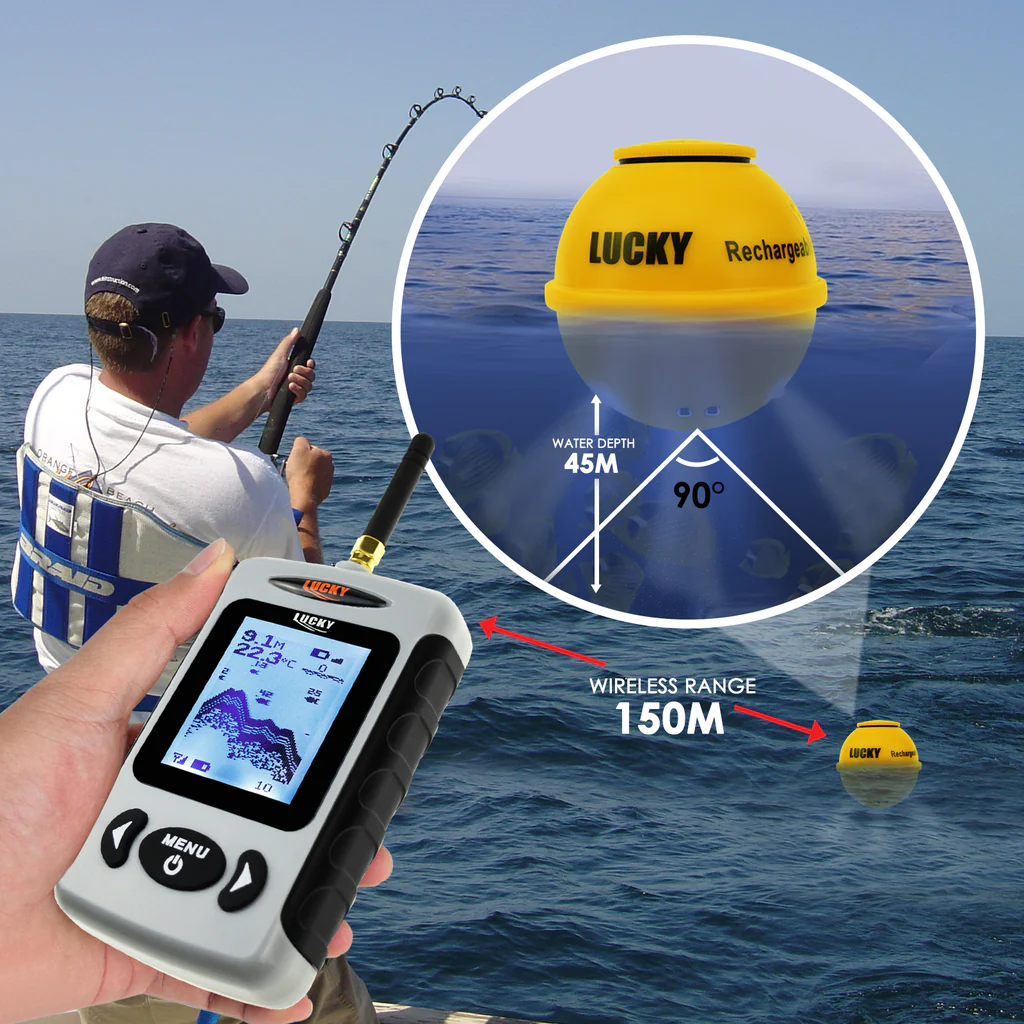
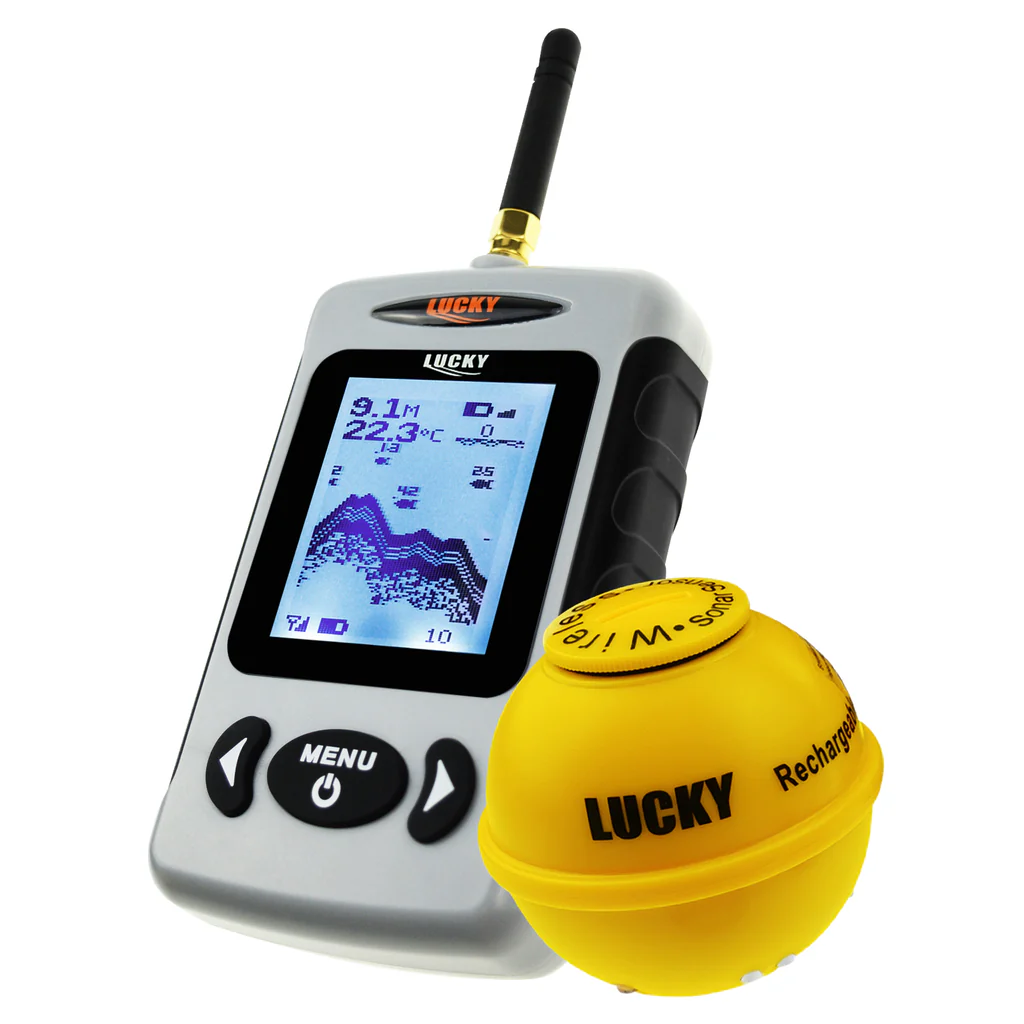
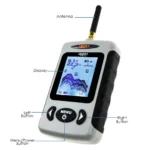
Wireless fish finders operate using sonar technology, which stands for Sound Navigation and Ranging. The device sends sound waves into the water, and when these waves hit objects such as fish, vegetation, or the bottom surface, they bounce back to the transducer. The system then interprets these signals and displays them on a connected device like a smartphone or tablet.
Unlike traditional fish finders that require cables and mounted displays, wireless versions transmit data via Bluetooth or Wi-Fi. This allows users to view real-time underwater information directly on their mobile devices.
Most wireless fish finders consist of three main components:
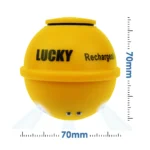
- A floating or castable transducer
- A wireless connection system
- A mobile application interface
The combination of these components provides anglers with detailed information such as fish location, depth, water temperature, and underwater structures.http://Learn more about how fish finders work
Benefits of Using Wireless Fish Finders
Wireless fish finders offer numerous advantages that make them appealing to a wide range of users.
First, portability is a major benefit. These devices are compact and lightweight, making them easy to carry and use in different fishing environments, including rivers, lakes, and oceans.
Second, they eliminate the need for complicated wiring. Traditional fish finders often require installation, but wireless models can be set up within seconds, making them ideal for beginners.
Another key benefit is real-time data access. With Wi-Fi or Bluetooth connectivity, anglers can instantly view sonar readings, improving decision-making while fishing.
Wireless fish finders are also cost-effective. They typically cost less than advanced wired systems while still providing essential features for effective fishing.
Finally, they enhance fishing efficiency. By accurately identifying fish locations and underwater structures, anglers can spend less time searching and more time catching.
Key Features to Look for in a Wireless Fish Finder
When choosing a wireless fish finder, several important features should be considered to ensure optimal performance.
One of the most critical features is sonar capability. Devices with dual-frequency or CHIRP sonar provide better accuracy and detail, allowing users to distinguish between fish and other objects underwater.
Transmission range is another essential factor. A reliable range of at least 150 feet ensures stable connectivity between the transducer and the mobile device.
Battery life also plays a significant role. Most quality devices offer between 4 to 10 hours of usage, which is sufficient for a full day of fishing.
Waterproof design is crucial since the device will be exposed to water. Look for models with high waterproof ratings to ensure durability.
Additionally, app compatibility is important. A user-friendly mobile app enhances the overall experience by providing clear visuals, GPS tracking, and data recording features.
Other features to consider include:
- Temperature sensors
- Depth detection accuracy
- Ease of setup and use
- Firmware update support
Top Wireless Fish Finder Brands in 2023
Several brands have established themselves as leaders in the wireless fish finder market.
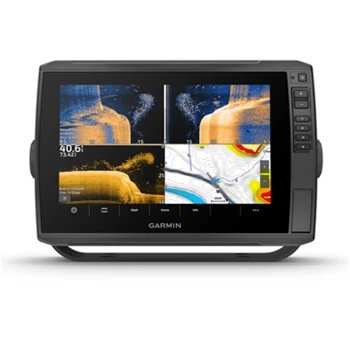
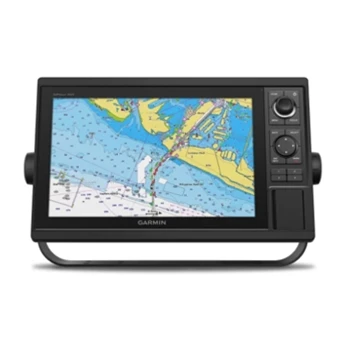
Garmin is one of the most well-known names in marine electronics, offering high-quality and reliable fish finders with advanced features.
Deeper is another popular brand, known for its portable and castable fish finders that connect seamlessly with smartphones.
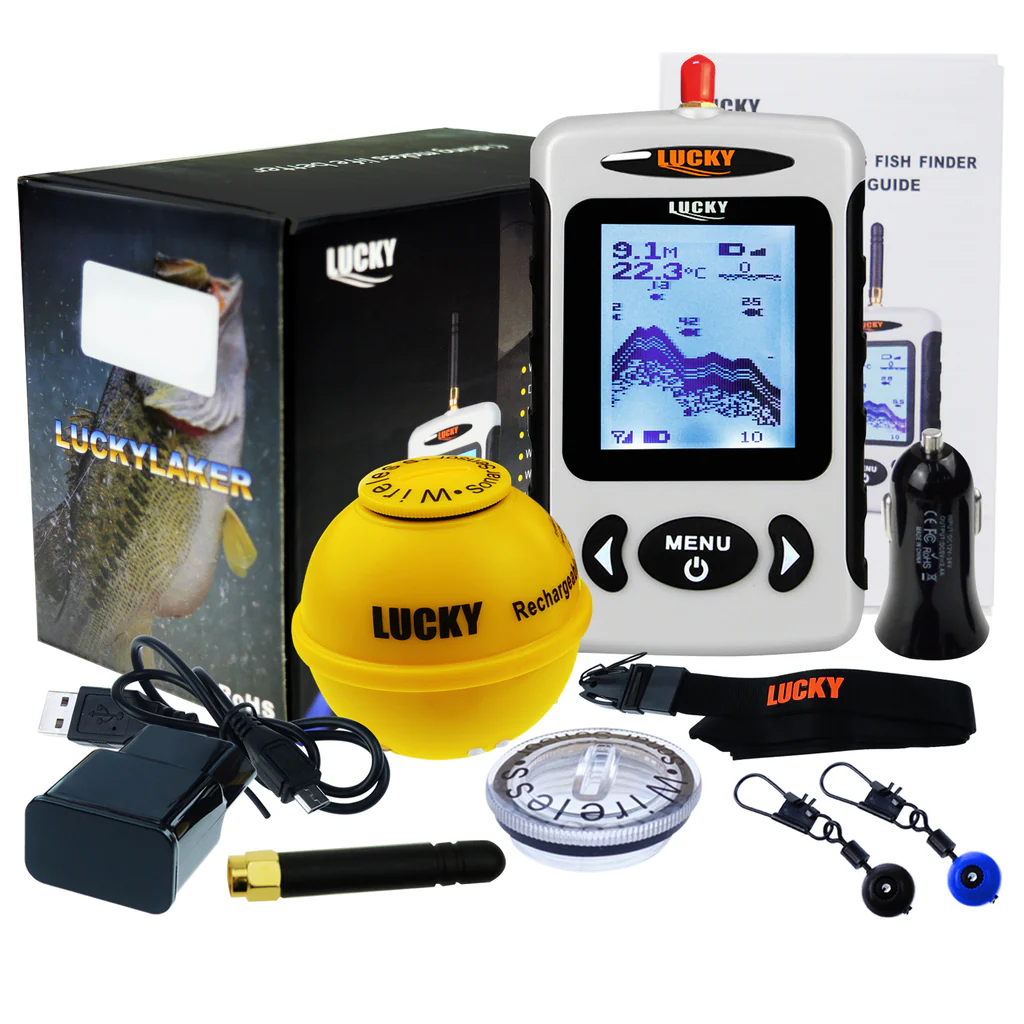
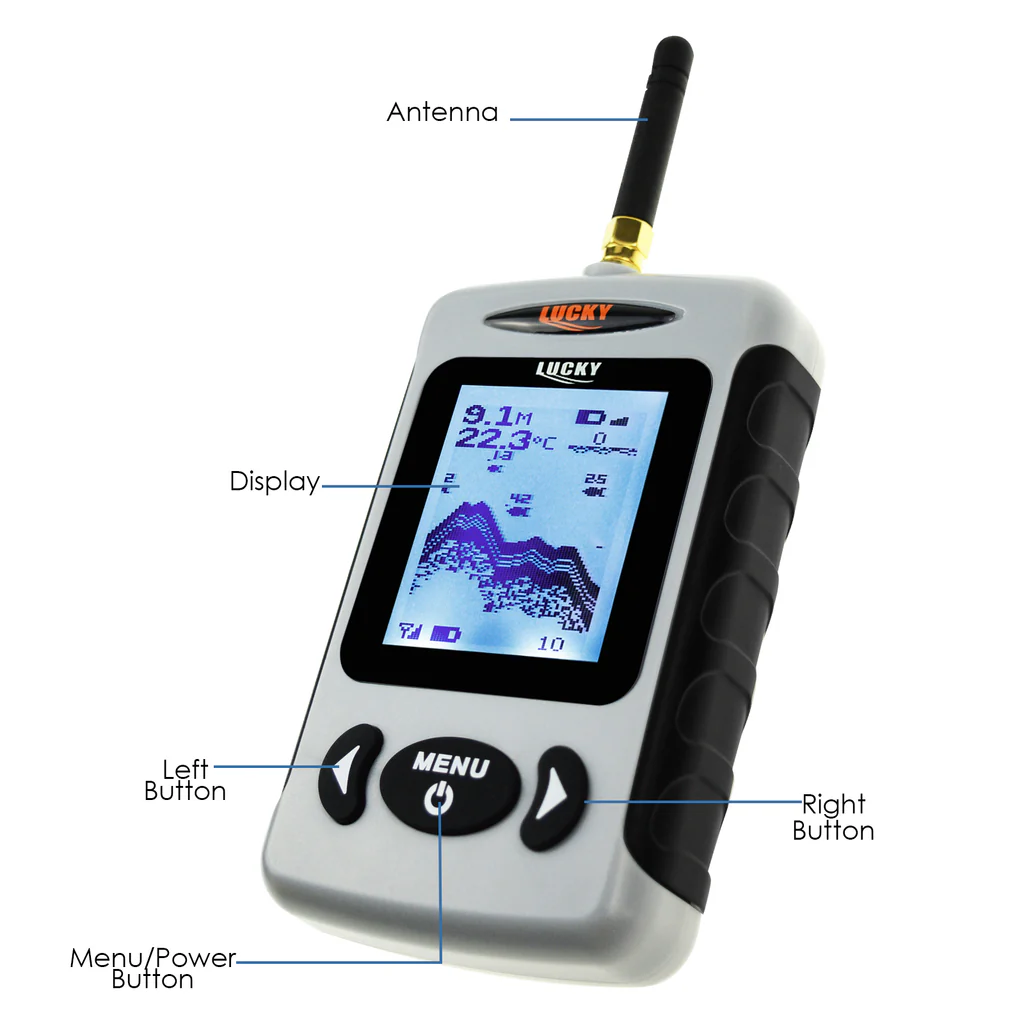
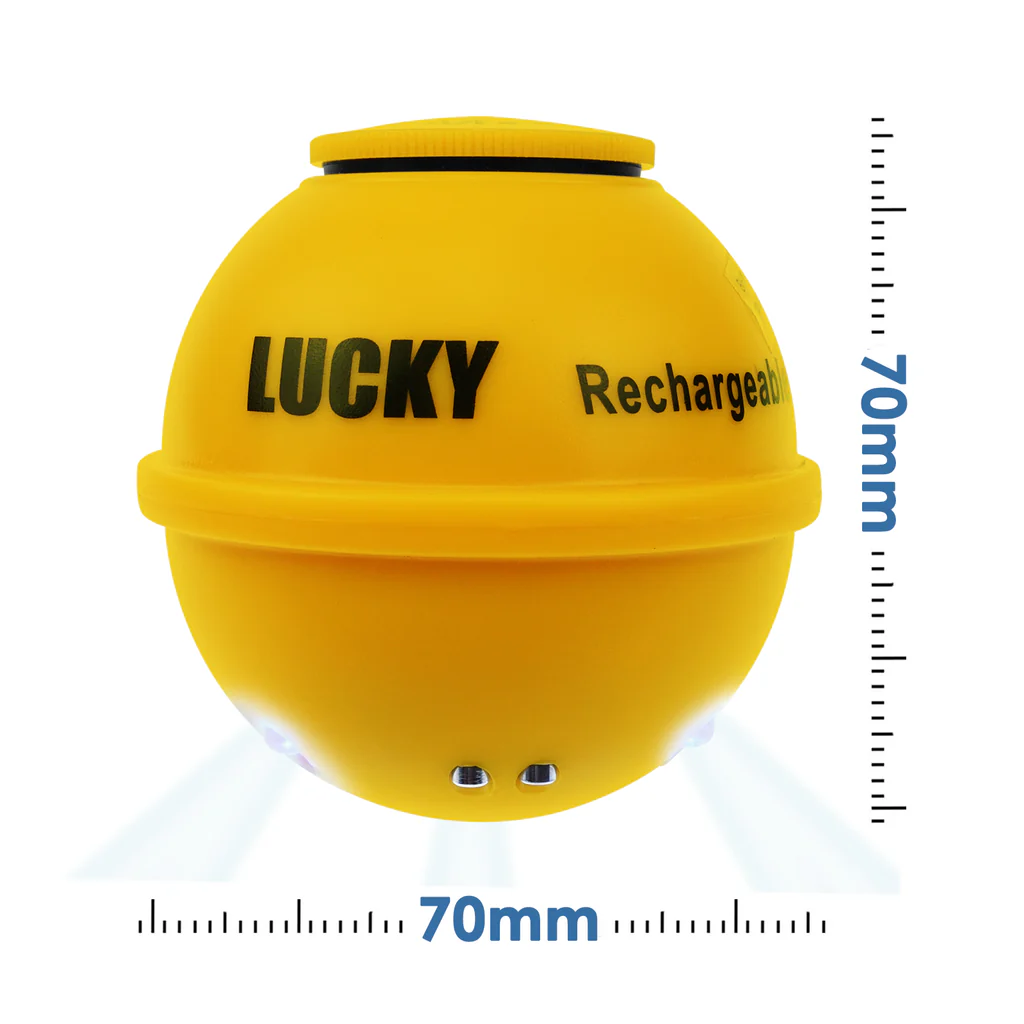
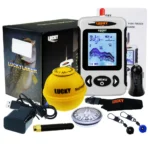
Lucky is recognized for producing affordable and beginner-friendly wireless fish finders, making it a great choice for casual anglers.
ReelSonar and Venterior also offer competitive models with good performance and user-friendly designs.
Each of these brands provides unique features and pricing options, catering to different types of users.
Comparison of Popular Wireless Fish Finders
Wireless fish finders can be categorized into three main groups: budget, mid-range, and premium models.
Budget models typically offer basic sonar functionality, shorter range, and limited battery life. They are suitable for beginners or occasional users.
Mid-range models provide better sonar accuracy, longer range, and additional features such as GPS tracking and dual-frequency sonar. These are ideal for regular anglers seeking value for money.
Premium models include advanced features like CHIRP sonar, extended battery life, and superior imaging capabilities. They are designed for serious anglers who require high performance.
In general, mid-range options provide the best balance between cost and functionality, delivering most of the features needed for effective fishing without a high price tag.
Tips for Using Wireless Fish Finders Effectively
To get the most out of a wireless fish finder, proper usage techniques are essential.
First, always ensure a stable connection between the transducer and your mobile device. Avoid obstacles that may interfere with the signal.
Second, learn how to interpret sonar readings. Understanding what different shapes and signals represent will greatly improve your fishing success.
Positioning is also important. Keeping the transducer stable in the water ensures accurate readings.
According to discussions on Reddit, many users emphasize that fish finders are most effective when used to identify underwater structures rather than chasing individual fish signals.
“It’s more useful to find structure and depth than just fish.”
Additionally, adjust sonar settings based on water conditions. Different environments may require different frequencies for optimal results.
Finally, practice regularly. Like any tool, proficiency improves with experience.
http://How to read fish finder screens
Maintenance and Care for Your Wireless Fish Finder
Proper maintenance ensures the longevity and performance of your wireless fish finder.
After each use, rinse the device with clean water to remove dirt, salt, or debris. This is especially important for saltwater fishing.
Store the device in a dry and safe place to prevent damage. Avoid exposing it to extreme temperatures.
Regularly check the battery and recharge it as needed. Keeping the battery in good condition ensures consistent performance.
It is also advisable to update the device’s software whenever updates are available. Firmware updates often improve functionality and fix bugs.
Inspect the transducer for any signs of damage or wear. A damaged transducer can affect accuracy and performance.
Customer Reviews and Testimonials
Customer feedback provides valuable insights into the real-world performance of wireless fish finders.
Many users appreciate the convenience and portability of these devices, especially for kayak and shore fishing.
However, some users note limitations such as signal interference and dependency on smartphone screens.
From online discussions on Reddit, one user mentioned:
“It gives more information than nothing, especially for bank anglers.”
Others highlight that while wireless fish finders are useful, they may not fully replace advanced wired systems for professional use.
Overall, customer reviews suggest that wireless fish finders are highly effective when used correctly and within their limitations.
Conclusion: Choosing the Right Wireless Fish Finder for Your Needs
Wireless fish finders have revolutionized modern fishing by providing a portable, easy-to-use solution for locating fish and understanding underwater environments. They combine advanced sonar technology with wireless connectivity, making them accessible to anglers of all skill levels.
When choosing the right device, consider your fishing style, budget, and required features. Beginners may benefit from simple and affordable models, while experienced anglers may prefer advanced options with enhanced capabilities.
Ultimately, the best wireless fish finder is one that meets your specific needs and helps you improve your fishing experience. By understanding how these devices work and using them effectively, you can significantly increase your chances of success on the water.




Reviews
There are no reviews yet.